A high-efficiency air conditioner installed poorly will cool worse, cost more to run, and fail sooner than a mid-tier unit installed correctly. That is the uncomfortable truth behind most AC installation complaints: the equipment rarely fails first, the setup does. Research summarized by the U.S. Department of Energy has long shown that improper sizing, leaky ducts, and incorrect refrigerant charge can cut real-world efficiency by 20 to 30 percent.
When you invest in a new air conditioner, the brand on the cabinet is only half the story. At Priority Comfort Heating & Cooling LLC, we know that what actually determines whether your system runs quietly for 15 years or short-cycles through its first July is the care, precision, and technical standard of the installer behind it.
Load Calculations Decide Everything That Follows
Before quoting any equipment, a qualified technician should run a comprehensive, room-by-room load calculation, commonly called a Manual J. This evaluation accounts for your home’s square footage, insulation levels, window orientation, ceiling heights, and natural air leakage.
Outdated rules of thumb like “one ton per 500 square feet” ignore these crucial details and routinely result in oversized systems. At Priority Comfort Heating & Cooling LLC, we take a consultative approach, taking exact measurements to make sure your system is precisely sized for your home’s actual cooling demand.
Oversizing feels intuitive, a bigger unit should cool faster, right? It does cool faster, but that is precisely the problem:
- Short cycling: An oversized compressor hits the thermostat setpoint in six or seven minutes, then shuts off before pulling meaningful humidity out of the air.
- Clammy rooms: The house reads 72 degrees but feels sticky, because effective dehumidification requires longer, steady run times.
- Hardware wear: Frequent cycling puts excessive stress on the compressor, noticeably shortening the equipment’s lifespan.
- Uneven temperatures: Short bursts of air never run long enough to properly balance temperatures in second-floor rooms or distant bedrooms.
A correctly sized system runs longer at lower, steady capacities. This is why properly matched variable-speed systems installed by the team at Priority Comfort Heating & Cooling LLC keep homes feeling dramatically more comfortable at the exact same thermostat setting.
Ductwork Is Half the System and Gets a Fraction of the Attention
Your duct network is the delivery system for your home’s comfort, but in many local residences, those ducts leak conditioned air. The Department of Energy estimates that duct losses in a typical home account for 20 to 30 percent of conditioned air, much of it escaping into attics, crawlspaces, and wall cavities where no one benefits.
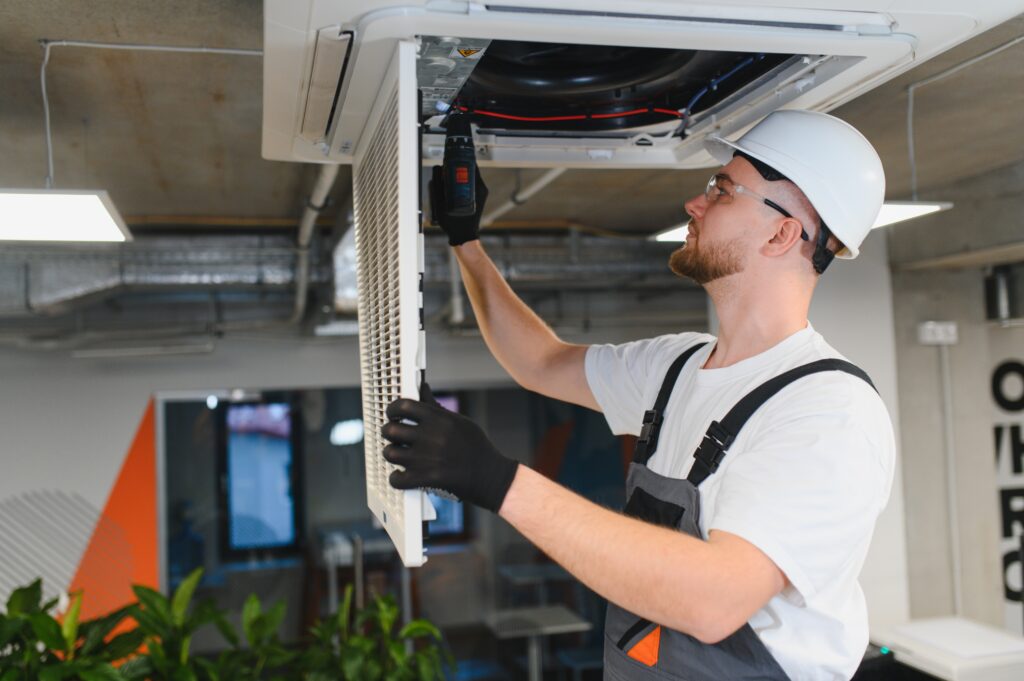
Before hanging a new coil or dropping in a new blower, Priority Comfort Heating & Cooling LLC inspects your existing ductwork for disconnected runs, crushed flex duct, undersized returns, and missing insulation. Adding a high-capacity condenser to a choked or leaky duct system only increases static pressure, inflates operating costs, and causes unnecessary noise.
Practical duct fixes usually cost far less than homeowners expect:
- Sealing accessible joints with durable mastic rather than standard cloth tape, which dries out and peels within a few years.
- Adding or enlarging return air grilles so the blower isn’t starved for air.
- Insulating supply runs in unconditioned attics to meet modern code requirements.
- Replacing kinked, sagging, or collapsed flex duct runs that restrict proper airflow.
Refrigerant Charge and Commissioning Separate Pros From Part-Swappers
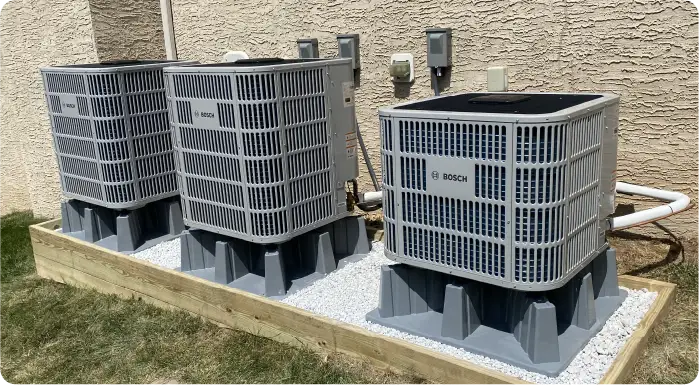
Setting the outdoor condenser and indoor coil in place is only about 70 percent of the job. What remains is the critical technical work that determines real-world seasonal efficiency: pulling a deep vacuum on the refrigerant lines to purge moisture, weighing in the exact refrigerant charge, and verifying superheat and subcooling against strict manufacturer specs.
Charge accuracy matters more than most homeowners realize. A system undercharged by just 15 percent can lose a comparable portion of its cooling capacity while forcing the compressor to work harder. Conversely, an overcharged system risks returning liquid refrigerant directly into the compressor, leading to premature mechanical failure.
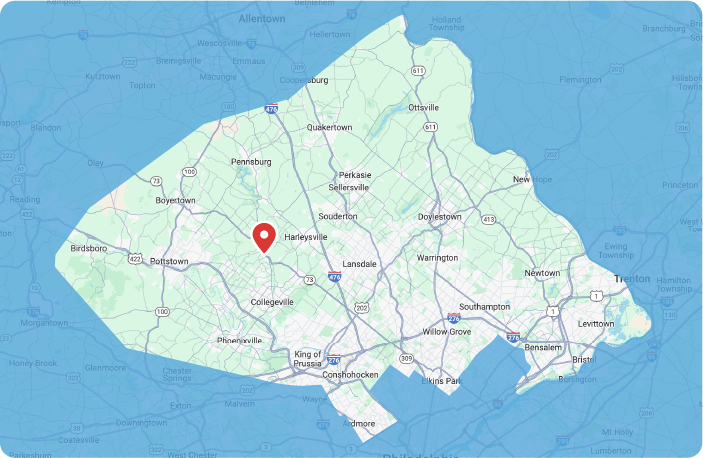
A complete installation concludes with a detailed commissioning report verifying static pressure, CFM airflow, refrigerant charge, and a target temperature split across the coil (typically 16 to 22 degrees). Homeowners comparing options for AC installation in Schwenksville, PA often find that bids differ less on equipment brands and far more on whether this crucial verification process is included. Priority Comfort Heating & Cooling LLC performs thorough commissioning on every job, giving you documented proof that your system is running at peak performance from day one.
Efficiency Ratings Worth Paying Extra For
Under current federal standards, cooling efficiency is rated in SEER2 (Seasonal Energy Efficiency Ratio 2), using testing conditions that accurately reflect real-world duct static pressure.
Upgrading an aging 10 SEER system to a modern 16 SEER2 unit can cut cooling energy consumption by 30 to 40 percent. During high-heat months, three features consistently prove worth the investment:
- Two-stage or variable-speed compressors: These units run at partial capacity most of the time, keeping indoor humidity low and maintaining steady temperatures throughout the day.
- Variable-speed blower motors (ECM): ECM motors use significantly less electricity than older motors and automatically adjust output to overcome duct resistance.
- Fully matched components: Pairing a new condenser with an old or mismatched indoor coil prevents the system from ever reaching its advertised SEER2 rating.
Permits, Warranties and the Paperwork People Skip
Replacing a central air conditioner requires a local mechanical permit and subsequent inspection. These inspections exist to verify critical safety measures, including proper electrical disconnect sizing, dedicated condensate drainage, and safety float switches over finished ceilings. Skipping permits can complicate home sales later or give insurance carriers grounds to dispute water damage claims.
Manufacturer warranties also come with specific conditions. Most require official registration within 60 to 90 days of installation to extend parts coverage from 5 years to 10 years, along with proof of annual professional maintenance.
Because labor warranties are separate from manufacturer parts warranties, Priority Comfort Heating & Cooling LLC stands firmly behind our craftsmanship. We make sure all equipment is registered properly, provide transparent labor guarantees, and offer ongoing maintenance plans through our Comfort Club to keep your system protected year after year.
Plan Your AC Installation Before the First Heat Wave
The best time to evaluate your home’s cooling needs, review duct health, and explore efficiency options is well before summer temperatures peak.
When you choose Priority Comfort Heating & Cooling LLC for your home’s air conditioning installation, you get a dedicated team of certified technicians who prioritize long-term reliability, precise system sizing, and personalized customer service. Contact our team today to schedule your in-home consultation and make sure that your home stays cool, quiet, and comfortable all summer long.