Hard water is a silent nuisance in many households. It leaves chalky white spots on your clean dishes, builds up a crusty scale inside your pipes, and makes it incredibly difficult to get soap to lather. If you have installed a water softener, you have already taken a major step toward protecting your plumbing, your appliances, and your skin.
However, owning a water softener means understanding how to maintain it. One of the most common questions we receive at Priority Comfort Heating & Air Conditioning LLC is how often the system needs to regenerate.
Regeneration is the process where your water softener flushes out the hard minerals it has trapped so it can continue doing its job. Knowing the right frequency for this cycle keeps your water soft, saves you money on salt, and protects your plumbing system from unnecessary wear.
What Exactly Is Water Softener Regeneration?
To understand how often your system should cycle, it helps to understand what actually happens during regeneration. Inside your water softener tank is a bed of tiny plastic resin beads. These beads hold a negative charge. Because hard water minerals like calcium and magnesium hold a positive charge, they stick to the resin beads as water flows through the tank.
Eventually, those beads become completely covered in minerals and cannot grab any more. This is where regeneration comes in. The system draws a highly concentrated salt water solution from your brine tank and flushes it through the resin tank. The salt strips the calcium and magnesium off the beads and washes those minerals down the drain. Once the rinse cycle is complete, the beads are clean and ready to soften your water once again.
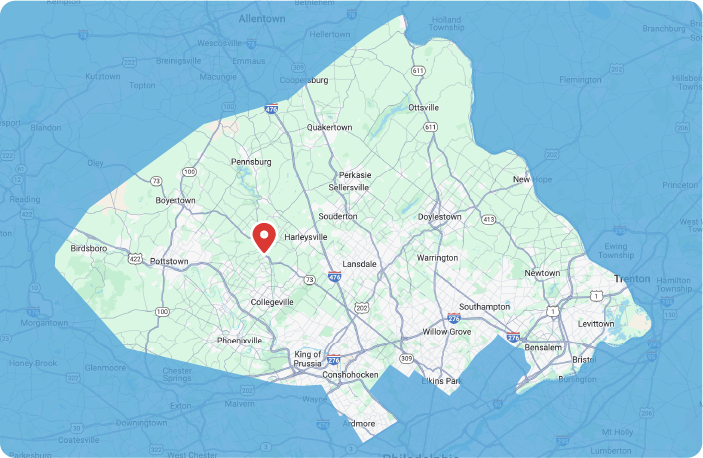
Water conditions can vary significantly depending on where you live. If you are dealing with heavy mineral buildup and need to install or service a water softener in Collegeville, setting the correct regeneration rate is the first step to saving your plumbing.
Key Factors That Dictate Regeneration Frequency
There is no single schedule that works for every household. Our team at Priority Comfort Heating & Air Conditioning LLC looks at several variables to determine the ideal schedule for your specific home.
Here are the primary factors that influence how often your system must run through a regeneration cycle:
- Water Hardness Levels: Hardness is measured in grains per gallon. The higher your grain count, the faster your resin beads will fill up with minerals, requiring more frequent flushing.
- Household Water Consumption: A larger family uses more gallons of water daily, which forces the system to process more minerals and regenerate much sooner than a single-person household would require.
- The Age of Your System: Older water softeners lose their efficiency over time. They may need to regenerate more frequently just to maintain the same water quality as a newer, more efficient model.
- Resin Tank Capacity: The physical size of your softener tank determines how many mineral grains it can hold before it reaches saturation.
- Iron Content in the Water: If your water source contains high levels of iron alongside calcium, your resin bed will clog much faster, requiring frequent cycles to prevent iron staining on the beads.
Time-Initiated vs. Demand-Initiated Regeneration
Water softeners generally use one of two methods to decide when it is time to clean the resin bed.
Older models typically rely on time-initiated regeneration. You program a clock on the control valve to run a cycle at a set interval, such as every three days at two in the morning. The downside to this method is that the system will regenerate whether you used a lot of water or no water at all. This can lead to wasted salt and water if you are away on vacation.
Modern systems use demand-initiated regeneration. These smart systems monitor your actual water usage with an internal meter. The control valve tracks how many gallons have passed through the tank and only triggers a regeneration cycle when the resin capacity is almost exhausted. Our technicians at Priority Comfort Heating & Air Conditioning LLC highly recommend these demand-based systems because they optimize salt usage and prevent unnecessary wear on your equipment.
Estimated Regeneration Frequencies
To give you a general idea of what to expect, we have put together a quick guide based on average water hardness and household sizes. This assumes you are using a standard modern demand-initiated system.
| Household Size | Water Hardness (Grains Per Gallon) | Estimated Regeneration Frequency |
| 1 to 2 People | Low (under 10 GPG) | Every 7 to 10 days |
| 1 to 2 People | High (over 15 GPG) | Every 5 to 7 days |
| 3 to 4 People | Low (under 10 GPG) | Every 5 to 7 days |
| 3 to 4 People | High (over 15 GPG) | Every 3 to 4 days |
| 5+ People | Low (under 10 GPG) | Every 3 to 5 days |
| 5+ People | High (over 15 GPG) | Every 2 to 3 days |
Signs Your Water Softener Is Not Regenerating Properly
If your water softener is not cycling when it should, you will notice a rapid decline in your water quality. If you begin to notice dry skin after showering, stiff laundry, or white spots on your glassware, your system might be skipping its cycles.
A salt bridge is another common issue. This occurs when a hard crust forms over the salt in your brine tank, creating an empty space beneath it. The water cannot reach the salt to create brine, meaning the regeneration cycle runs with plain water and fails to clean the resin beads.
Finding the Right Balance for Your Home Water
Every home has a unique water profile. If you require specialized water treatment in Harleysville, professional testing is the best way to determine exactly what minerals you need to filter out. Testing your water helps protect your investment and keeps your plumbing running smoothly for years to come.
During a professional maintenance visit, a technician can test your water hardness, check the valve settings, clean the brine tank, and verify that the system is drawing the correct amount of salt. This simple preventive step can extend the life of your appliance.
If you want to test your water quality, install a new system, or optimize your current softener settings, reach out to Priority Comfort Heating & Air Conditioning LLC. To schedule your consultation, contact us today.