Owners of older homes face a common dilemma when temperatures rise: how to cool a structure built long before air conditioning existed. Many historic stone farmhouses, Victorian-era twins, and post-war colonials lack the ductwork necessary for a conventional central air system. Adding it can be messy, costly, and can compromise the home’s original character.
Choosing the right cooling system involves balancing upfront installation costs, long-term energy efficiency, and the physical realities of the property. The decision between retrofitting a central air system and installing ductless mini-splits has significant implications for both comfort and budget. A properly specified system, combined with routine HVAC maintenance in Montgomery County is the foundation of dependable summer comfort.
Understanding Conventional Central Air Conditioning
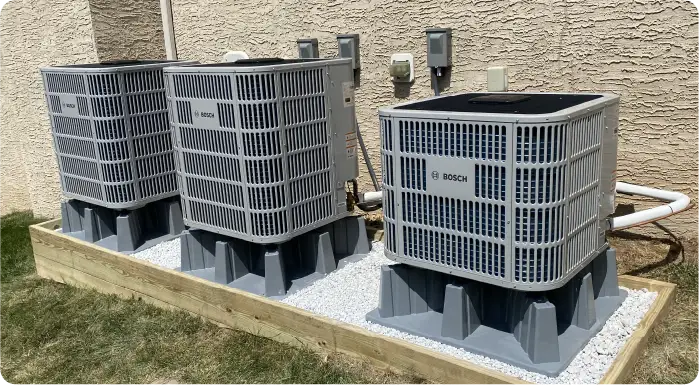
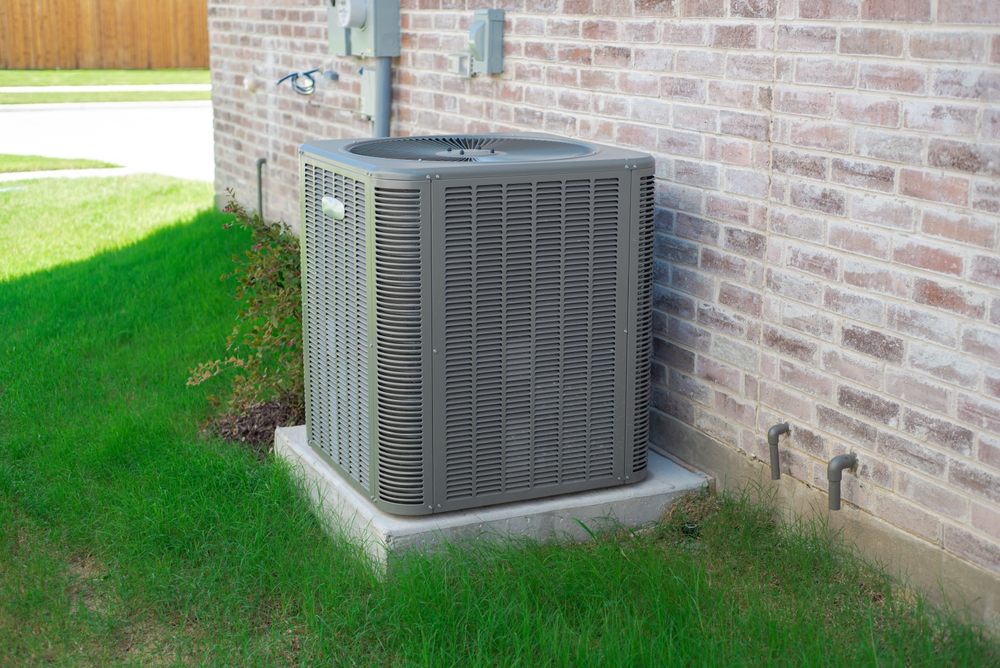
A central air conditioning system uses a single outdoor compressor connected to an indoor air handler, which is typically paired with a furnace. This unit blows cooled air through a network of supply ducts running to each room and pulls warmer air back through return ducts. For homes that already have this ductwork in place for heating, adding central AC is a relatively straightforward upgrade.
Retrofitting Ducts into an Older Home
Installing a full duct system in a house that lacks one is a major construction project. Technicians must find pathways through walls, floors, and ceilings to run the large rectangular ducts, which often requires building soffits or sacrificing closet space. This process can be particularly difficult in homes with solid stone walls or plaster, increasing labor costs and creating significant disruption.
Efficiency and Whole-Home Comfort
When properly installed, central air provides consistent, even cooling throughout the entire house. However, system efficiency depends on the integrity of the ductwork. Leaks, poor insulation, and long duct runs through unconditioned spaces like attics or crawlspaces can account for more than 30% of energy loss, according to the U.S. Department of Energy. Furthermore, a single thermostat controls the temperature for the whole house, which can lead to hot or cold spots.
The Ductless Mini-Split Alternative
Ductless mini-split systems, also known as ductless heat pumps, offer a flexible and efficient alternative. These systems consist of an outdoor compressor unit connected to one or more indoor air-handling units (heads) mounted on a wall or ceiling. The indoor and outdoor units link via a small conduit containing a power cable and refrigerant lines, requiring only a three-inch hole through an exterior wall.
Zonal Control and Flexibility
The primary advantage of a mini-split system is its ability to provide zonal temperature control. Each indoor head has its own remote and thermostat, allowing you to cool specific rooms or areas independently. This is a practical solution for cooling a third-floor attic, a home addition, or a sunroom that overheats in the summer, without having to cool the entire house.
A Less Invasive Installation Process
Because they do not require ductwork, mini-splits are significantly easier and faster to install in existing homes. The lack of major construction means less mess and preservation of original walls, floors, and ceilings. This makes them a practical choice for historic properties and homeowners who wish to avoid a major renovation project.
Energy Efficiency
Ductless systems deliver strong efficiency for two main reasons. First, by delivering air directly into a room, they eliminate the energy losses associated with ductwork. Second, the ability to cool only occupied rooms prevents wasted energy conditioning empty spaces, leading to lower monthly utility bills.
A Direct Comparison for Your Home
Choosing the best system depends on your home’s construction, your budget, and your comfort priorities. Here is how the two options compare on the most important factors:
- Installation Cost: If your home already has usable ductwork, adding central AC is typically less expensive upfront. If ductwork must be installed from scratch, a multi-zone ductless mini-split system is often the more cost-effective option.
- Operating Costs: Ductless systems generally have lower operating costs due to high efficiency ratings (SEER) and the energy savings from zonal control.
- Comfort and Control: Mini-splits offer room-by-room temperature control, addressing the hot and cold spots common with single-thermostat central systems.
- Aesthetics: Central air keeps equipment hidden, as only the grilles are visible. Ductless systems require a visible indoor unit in each zone, though modern designs are sleek and unobtrusive.
Frequently Asked Questions
How Much Does a Ductless Mini-Split Cost Compared to Central Air?
A single-zone ductless system can cost between $4,500 and $7,000, while a multi-zone system for a whole house can range from $10,000 to over $20,000. Installing a new central air system with ductwork typically starts around $12,000 and can increase based on the complexity of the home.
Do Mini-Splits Work for Heating in Cold Winters?
Yes, modern cold-climate heat pump mini-splits are designed to provide heating in temperatures well below freezing, often down to -15°F. They can serve as a primary heat source for many homes, offering year-round comfort from a single system.
Can a Ductless System Cool an Entire House?
Absolutely. A multi-zone ductless system can be configured with a single outdoor unit connected to up to eight indoor heads. This allows for a system setup to cool an entire home, with each major room or area having its own dedicated indoor unit.
How Long Do Ductless Systems Last?
With proper installation and regular professional maintenance, a ductless mini-split system typically lasts between 15 and 20 years. Central air conditioners share a similar lifespan of 15 to 20 years, though this depends heavily on consistent upkeep.
Schedule Your In-Home Consultation
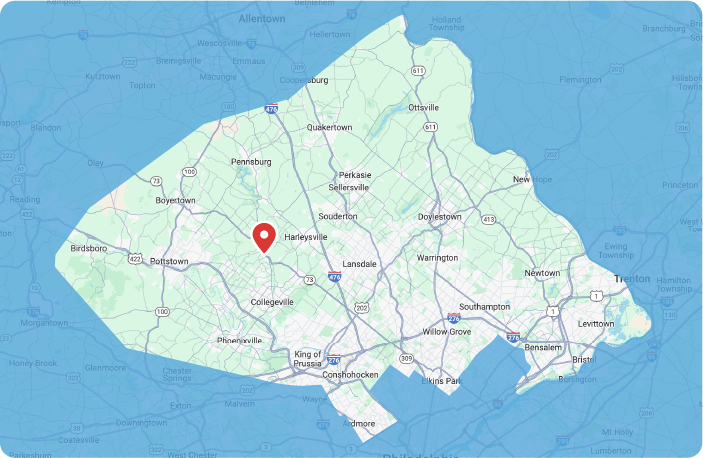
The best way to determine the right cooling solution for your older home is with a professional assessment. Our experienced technicians understand the unique challenges of regional properties and can design a system that respects your home’s integrity while delivering modern comfort. Contact Priority Comfort for a detailed quote on your AC installation in Schwenksville, PA.