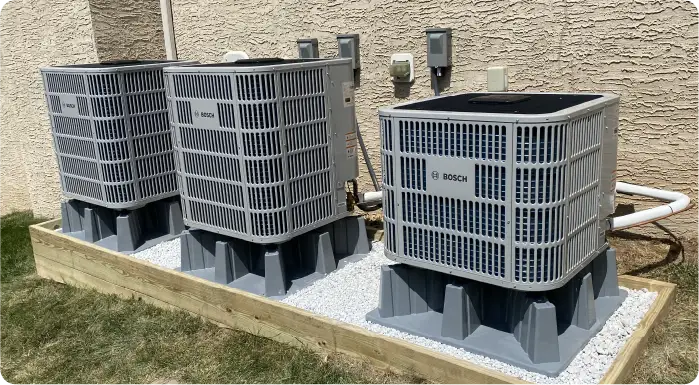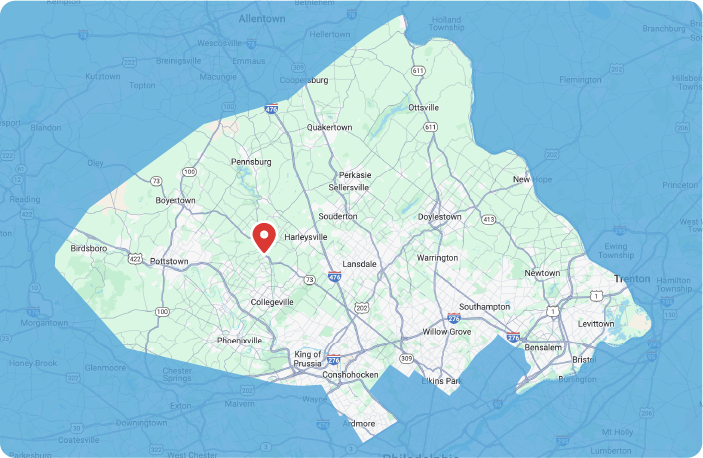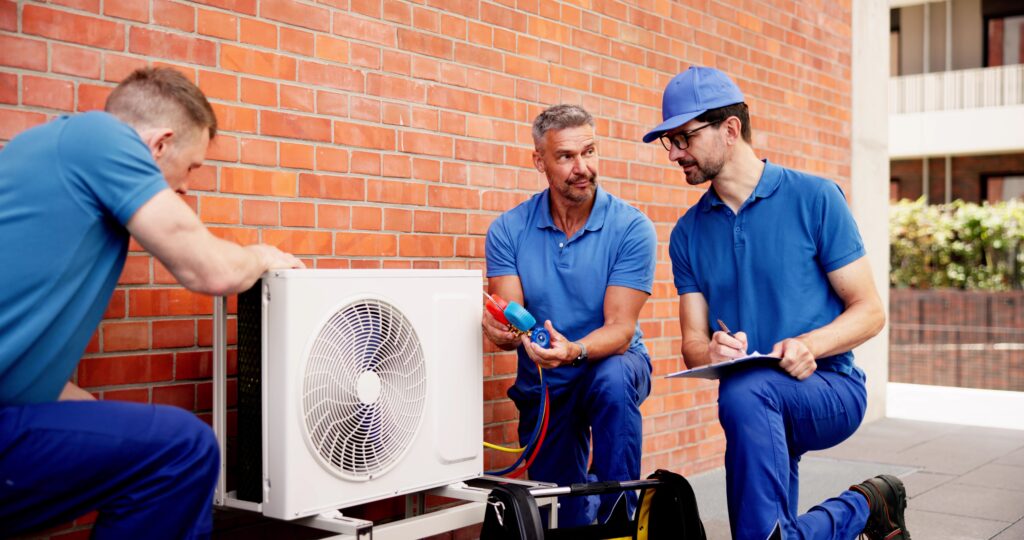
You’re probably asking, do I need annual HVAC maintenance for your place? It’s a common question many people have, and figuring this out can really impact your comfort. Understanding this can save you money and keep your home feeling just right. This decision affects how well your heating and cooling HVAC systems work. It also touches your budget significantly. So, getting clear on whether you need annual HVAC maintenance is pretty important for most folks; this yearly maintenance can make a big difference. Call Priority Comfort for HVAC maintenance in Harleysville.
What exactly is HVAC Maintenance?
HVAC stands for Heating, Ventilation, and Air Conditioning. These are the systems that keep your home warm in winter and cool in summer, managing your indoor air. Think of your furnace, air conditioner, heat pump, or even a ductless mini-split system.
Maintenance involves a professional technician checking these HVAC systems. They look for any problems, clean important parts like condenser coils and evaporator coils, and make small adjustments. The goal of this HVAC preventative maintenance is to keep everything running smoothly and efficiently, especially during the peak cooling season or heating season. This isn’t usually a quick look; a proper maintenance service is thorough. A good technician will spend time inspecting and tuning up the various components, including checking refrigerant levels. It’s about preventing potential breakdowns before they start and ensuring your living space remains comfortable.
Why Bother With Annual HVAC Care? The Upsides
Thinking about skipping that yearly check-up, often referred to as maintenance annual HVAC maintenance? You might want to reconsider. There are some solid reasons why regular care for your heating and cooling system, a crucial part of HVAC annual maintenance, is a good idea. Let’s look at what you gain from this HVAC preventative measure.
Save Money on Energy Bills
A well-maintained HVAC system simply works better. When parts are clean and adjusted correctly, the HVAC unit doesn’t have to work as hard. This means it uses less energy, preventing higher energy bills. Less energy use translates directly to lower electricity or gas bills. According to the U.S. Department of Energy, regular maintenance helps your system run more efficiently. Who doesn’t like saving a bit of cash each month on their air conditioning costs? Think about a dirty air filter, for example. If it’s clogged, your system struggles to pull air through, making the air conditioner work harder. This strain increases energy consumption substantially and can reduce the flow of cool air.
Your System Could Last Longer
HVAC systems are a big investment. You want them to last as long as possible. Regular maintenance, a form of preventative maintenance, can help achieve that for your air conditioners and heat pumps. Think of it like caring for a car; regular tune-ups help a car last longer. The same principle applies to your heating and cooling equipment, as maintenance helps preserve moving parts. Careful HVAC inspections during maintenance can identify wear before it becomes severe. Catching small problems early prevents them from becoming big issues. This reduces wear and tear on the system’s major components. More years from your HVAC system’s operation means delaying a costly replacement.
Fewer Surprise Breakdowns and Big Repair Bills
Nobody likes an air conditioner that quits on the hottest day of summer or when unusual noises start. Or a furnace that fails during a cold snap. Regular maintenance greatly reduces the chance of these surprise potential breakdowns. Technicians can often spot failing parts before they break completely. Replacing a small part during a maintenance HVAC visit is much cheaper than an emergency repair for your HVAC unit. This proactive approach, often part of seasonal maintenance, saves you stress and money.
Breathe Cleaner, Healthier Air
Your HVAC system circulates all the air in your home. If it’s dirty, it could be circulating dust, allergens, and other particles, impacting your indoor air quality. Maintenance includes cleaning key parts of the system to improve air quality. Technicians clean coils and fan components, and also check for issues like ductwork leaks that can pull in pollutants. They also check and change air filters. This helps improve your home’s indoor air quality, making it a healthier place to live. This is especially important if anyone in your home has allergies or asthma. Clean indoor air can make a real difference to their comfort and health.
Keeping Your Home Safe
Safety is a big one, especially with heating systems that burn fuel, like gas furnaces. A key part of furnace maintenance involves safety inspections, including checking for carbon monoxide leaks. Carbon monoxide is an odorless, colorless gas that can be very dangerous. Technicians also check electrical connections for the HVAC unit. Loose or damaged wiring can be a fire hazard. Regular checks help make sure these potential dangers are found and fixed promptly.
Stay Covered by Your Warranty
Many HVAC manufacturers need proof of regular maintenance, often annual maintenance, to keep your warranty valid. If your system is still under warranty, skipping HVAC preventative maintenance could be a costly mistake. Should a major part fail, you might have to pay for it yourself if you haven’t kept up with tune-ups. It’s a good idea to check your warranty documents for your air conditioners or heat pumps. They will usually specify how often maintenance is needed. Following these guidelines protects your investment and often specifies that yearly maintenance is required.
Do I Need Annual HVAC Maintenance Specifically For My Situation?
While annual HVAC maintenance is generally recommended, a few things can influence how critical it is for you. Everyone’s situation is a little different. Let’s think about what might apply to your home and system, and if a year HVAC check is sufficient.
How Old is Your System?
Older HVAC systems often benefit more from annual check-ups. Just like older cars, they tend to need a bit more attention and maintenance helps them keep working efficiently. Parts may be wearing out, and efficiency can drop more noticeably without regular care for the air conditioner’s components. If your system is brand new, maintenance is still important for warranty and catching any early issues. But an older unit, say 10 years or more, really shouldn’t skip its yearly visit. A technician can let you know if it’s nearing the end of its useful life and if replacement might be more cost-effective than repeated repairs.
What Type of System Do You Have?
Different HVAC systems might have slightly different needs. For example, heat pumps work year-round for both heating and cooling. This means they get a lot more use than a separate furnace and air conditioner, making regular maintenance crucial.
Because of this constant operation, some experts suggest heat pumps could benefit from checks twice a year. Gas furnaces definitely need an annual safety check, particularly before the heating season. Your HVAC pro can give the best advice for your specific equipment, including ductless mini-split units which also require periodic attention. Some HVAC technicians may also inspect related systems like your water heater or even tankless water heaters during a comprehensive visit. Keeping these systems, including water heaters, in good shape contributes to overall home efficiency.
How Much Do You Use It?
If you live in a very mild climate and barely use your heating or cooling, your system experiences less wear. But most homes rely on their HVAC systems quite a bit, leading to consistent wear on parts. Consistent use makes maintenance annual HVAC attention important.
If you’re running your AC all summer during the cooling season and your heat all winter, an annual check is wise. This heavy use makes regular tune-ups even more valuable for efficiency and longevity, helping to prevent uneven cooling.
Manufacturer’s Advice
Always check what the people who made your HVAC system suggest. Your owner’s manual is a good place to start. Manufacturers typically recommend annual servicing, or maintenance annual HVAC, by a qualified technician. Following their advice isn’t just good for your system; it’s often a condition of your warranty. So, it pays to know what they say regarding the HVAC system’s upkeep.
Your Local Climate Matters
Living in an area with extreme temperatures, high humidity, or lots of dust can put more stress on your HVAC. Coastal areas with salty air can also cause faster corrosion of the outdoor unit. In these conditions, regular maintenance is even more crucial for air conditioners and heat pumps. A system working hard in tough conditions needs regular attention from a maintenance service. This helps it cope with the extra strain and keep performing well, delivering consistent cool air or heat.
What Goes On During an HVAC Tune-Up?
So, what does a technician actually do when they come for a maintenance visit or HVAC annual service? It’s more than just a quick look; this maintenance involves many steps. A proper tune-up, part of preventative maintenance, is quite thorough.
HVAC inspections help keep your system running efficiently and safely. Technicians typically clean or replace air filters, clear drain lines, and clean evaporator and condenser coils. They check refrigerant levels, tighten electrical connections, lubricate moving parts, and test thermostat accuracy. The fan motor, blades, and system controls are inspected, and for furnaces, the burner, ignition, and heat exchanger are checked. Ductwork is examined for leaks, and debris is cleared from around the outdoor unit to maintain airflow.
The technician should give you a report of what they found and did during the HVAC preventative check. They’ll also let you know if any repairs are needed or if there are signs of potential breakdowns.
What If I Skip HVAC Maintenance? The Downsides
You might be thinking, “What’s the worst that can happen if I skip it for a year or two?” Well, ignoring your HVAC system and skipping HVAC annual care can lead to several not-so-great outcomes. These problems can often cost you more in the long run than consistent maintenance annual HVAC maintenance.
Some potential consequences include:
| Consequence of Skipping Maintenance | Potential Cost/Impact | Benefit of Regular Maintenance |
| Higher energy bills | Significant increase in monthly operating costs as the system works harder. | Optimal efficiency, lower energy bills, system working efficiently. |
| More frequent and costly repairs | Emergency repairs for sudden potential breakdowns can be very expensive. | Early detection of issues, cheaper fixes, fewer surprises. |
| Shorter system lifespan | Premature replacement needed, costing thousands for a new hvac unit. | Maximized lifespan of air conditioners and furnaces, delaying costly replacement. |
| Poor indoor air quality | Increased dust, allergens, mold growth affecting your living space. | Cleaner air, healthier home environment, better indoor air. |
| Unexpected breakdowns | System failure during extreme weather (cooling season or heating season), causing discomfort. | Increased reliability and peace of mind. |
| Safety risks | Undetected carbon monoxide leaks, electrical hazards, or refrigerant leaks. | Comprehensive safety inspections identify and mitigate hazards. |
| Voided warranty | Losing manufacturer’s coverage means paying full price for warrantable repairs. | Warranty coverage remains valid with proof of regular maintenance. |
Considering these points, the cost of annual maintenance often seems small. It’s an investment in your comfort, safety, and your HVAC system’s health. Skipping this yearly maintenance can be a costly gamble.
How Often is HVAC Maintenance Really Needed?
The general rule of thumb from most experts and manufacturers is annual maintenance for HVAC systems. For most homes, this means having your air conditioning system checked in the spring, before the cooling season. Then, have your heating system checked in the fall, before the heating season and you really need it.
If you have a heat pump, which both heats and cools, it gets used year-round. Because of this, some HVAC professionals suggest servicing it twice a year with seasonal maintenance checks. At a minimum, a heat pump should undergo maintenance HVAC checks once a year.
Some newer, high-efficiency systems might have specific maintenance schedules listed by the manufacturer for their air conditioners or furnaces. It’s always a good idea to check that for your HVAC unit. But for the average system, yearly checks are a solid plan for HVAC preventative care, so mark your calendar for that year’s HVAC appointment.
Can I Do Any HVAC Maintenance Myself?
While most HVAC maintenance tasks need a trained professional, there are a few diy maintenance things you can do. These simple steps can help your system run better. They also help keep it clean between professional maintenance service visits.
The most important DIY task is regularly checking and changing your air filter. A clogged air filter restricts airflow, strains your system, and worsens air quality. The U.S. Environmental Protection Agency (EPA) highlights the importance of filter changes; check it monthly and replace it when it looks dirty, usually every 1 to 3 months to ensure proper airflow. You can also keep the area around your outdoor unit clear. Remove leaves, grass clippings, and any debris that might block airflow to the condenser coils. Make sure there’s at least two feet of clear space around the unit to help it work efficiently.
Inside, keep vents and registers clear of furniture, rugs, and curtains, which helps cool air circulate freely. You can also gently vacuum registers to remove dust. However, for tasks like cleaning evaporator coils, checking refrigerant levels, or inspecting electrical parts, it’s best to call a pro as these tasks require specific tools and knowledge of HVAC systems.
Finding a Good HVAC Technician
Choosing the right technician for your maintenance HVAC needs is important. You want someone qualified and trustworthy. How do you find a good one for your HVAC annual check? Start by asking friends, family, or neighbors for recommendations for an HVAC maintenance service. Personal referrals are often very helpful. You can also check online reviews, but look at overall patterns, not just one or two comments regarding their HVAC preventative maintenance.
Look for technicians or companies with proper certifications. NATE (North American Technician Excellence) certification is a common one. It shows the tech has passed tests on their HVAC knowledge regarding various air conditioners and heating systems. Don’t be afraid to ask for proof of licensing and insurance. A reputable company will be happy to give this. It protects you in case of accidents or damage during the maintenance service for your HVAC unit.
When you contact potential technicians, ask about their experience with your type of system, be it a standard air conditioner, heat pump, or ductless mini-split. Get written estimates from a few different companies before you decide. Make sure the estimate details the work they will perform during a maintenance visit for your HVAC system’s regular check-up.
Expanding Home Care: Beyond Basic HVAC
While your primary concern might be your heating and air conditioning, some HVAC service providers offer a broader range of home system care. This can be convenient, allowing one trusted company to handle multiple aspects of your home’s operational health. These additional services can contribute to a well-maintained and efficient living space.
For instance, technicians might also be qualified to inspect or service your water heater, including modern tankless water heaters. Regular checks on these appliances can prevent unexpected cold showers and improve energy usage. Some companies also offer leak detection services, not just for refrigerant leaks in your AC, but for plumbing issues around the main water lines, which can save you from costly water damage.
Other services that might be available include assistance with sump pumps, crucial for preventing basement flooding in many areas. Some may even offer basic drain cleaning, or advise on more extensive services like hydro jetting if blockages are severe. While less common, some might touch upon systems like water filtration or the maintenance of garbage disposals, aiming for a holistic approach to home maintenance that goes beyond just the HVAC annual tasks.
Conclusion
For most people and most HVAC systems, including air conditioners and heat pumps, the answer is a pretty clear yes. The benefits like improved efficiency, longer system life from regular maintenance, fewer repairs, better indoor air quality, and crucial safety inspections generally outweigh the yearly cost of the HVAC maintenance service. We can even help you with your water softener in Collegeville!
Skipping hvac preventative maintenance might save you a little money in the short term. But it often leads to bigger expenses from higher energy consumption, potential breakdowns, and more problems down the road. Taking care of your HVAC system through consistent annual maintenance, sometimes referred to as maintenance annual HVAC care, is really about taking care of your home, your comfort, and ensuring your HVAC unit provides reliable cool air in summer and warmth in winter. Reach out today!